
Interview with
Vincent Melay
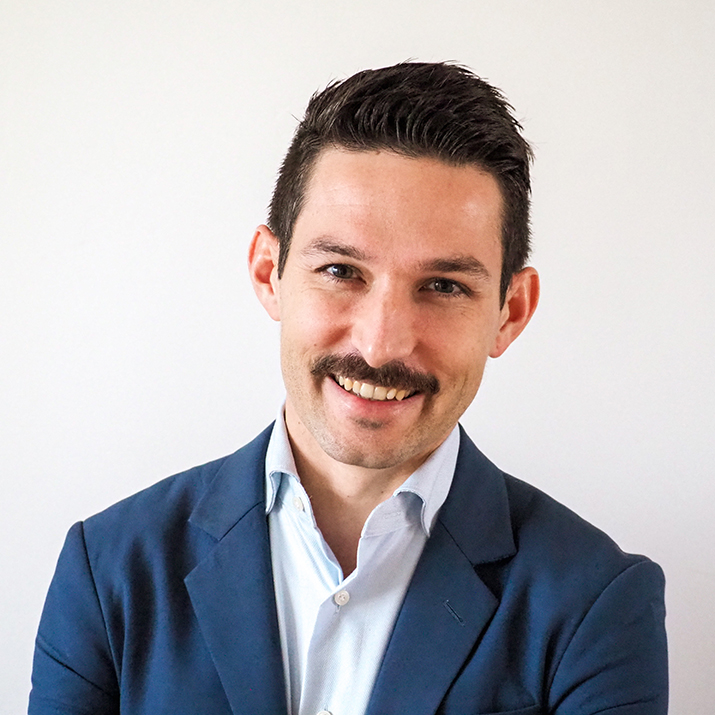
Traceability and Purchasing Projects Director
At a time when sustainability issues have never been more important, 2025 was a very constructive year for the Group’s transition towards increased responsibility. The roll-out of WeTHOM and the progress made in many projects are proof that we have embarked on a positive dynamic. Estelle de Caneva, Group CSR Director, looks back on the highlights of 2025.
Why does THOM want to increase the use of recycled gold?
Our WeTHOM plan includes two major Group commitments:
- Get a full commitment from all internal and external stakeholders throughout the value chain to adhere to our goal of reducing the Group’s greenhouse gas (GHG) emissions, scopes 1, 2, and 3, by 30% before 2030 in order to help limit global warming.
- Use recycled materials for jewellery and packaging as much as possible – despite the financial impact entailed by this approach – to help preserve non-renewable resources and contribute to the jewellery market’s circularity.
These two commitments are inextricably linked. More than 70% of our GHG emissions arise from our purchases, particularly our purchases of gold.
Accordingly, recycled gold was identified as a pillar in the Group’s environmental trajectory. By prioritising this supply source over extracted or non-traced gold, THOM is significantly reducing the emissions linked to its value chain – mining being the main contributor to its carbon footprint.
What is the Group’s approach?
To guarantee the credibility and robustness of this approach, we carried out far-reaching research on the definition of recycled gold, taking into account key takeaways from international forums, specialist contributions, and renowned industry references and standards – notably including the new definition introduced by the RJC into the 2024 Chain of Custody (CoC) standard. This research allowed us to draft a realistic, shared operating protocol applicable to both THOM and its partners. Finally, this approach was approved by our auditors and financial partners, confirming its alignment with the industry’s best practices.
How are you rolling out recycled gold with your suppliers?
Once the method and protocols were approved, we chose a first pilot group of suppliers with whom we launched a more in-depth project. These partners were given quantified targets for the use of recycled gold, in keeping with our decarbonisation trajectory. They had also previously been involved in defining our needs, especially in terms of sourcing from certified foundries and in producing the required proof (invoices and recycled gold purchasing documents that comply with our definition).
Thanks to this approach, recycled gold made up 15% of our gold purchases over the course of FY25.
What’s the next step?
Given these successful initial results, we will keep gradually rolling out recycled gold into our supply chains, in line with our decarbonisation plan and GHG emission targets. We will phase in new suppliers, accelerating our increase in the use of recycled gold and contributing to hitting our GHG emission targets.